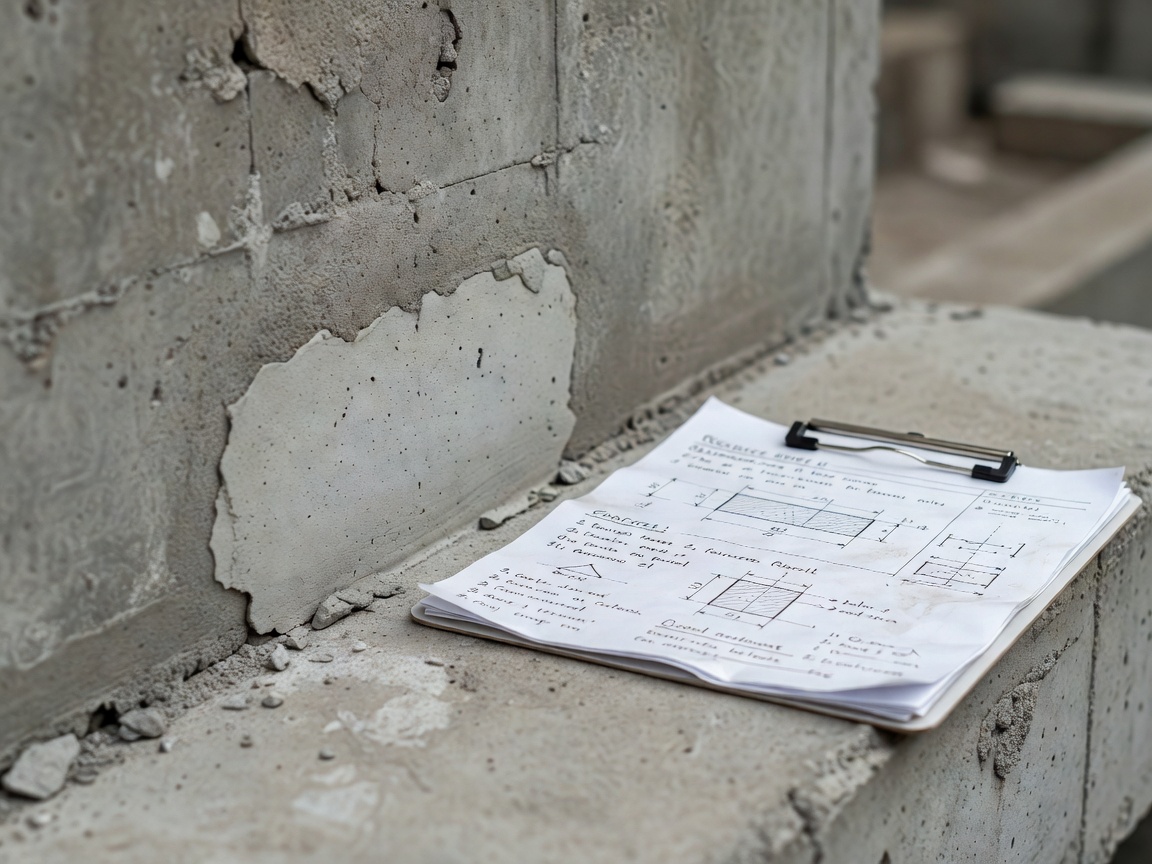
SPECIALIST GUIDE
Concrete Repair Planning
Build a sensible brief around condition, access, exposure, surrounding finishes and the result you need.
Explore planningTHE CONCRETE SURFACE STUDIO
Concrete repair starts with understanding what a surface is showing you. Cracking, staining, spalling and worn finishes can have very different causes, so a useful repair plan begins with condition, exposure and intended use—not a product catalogue.
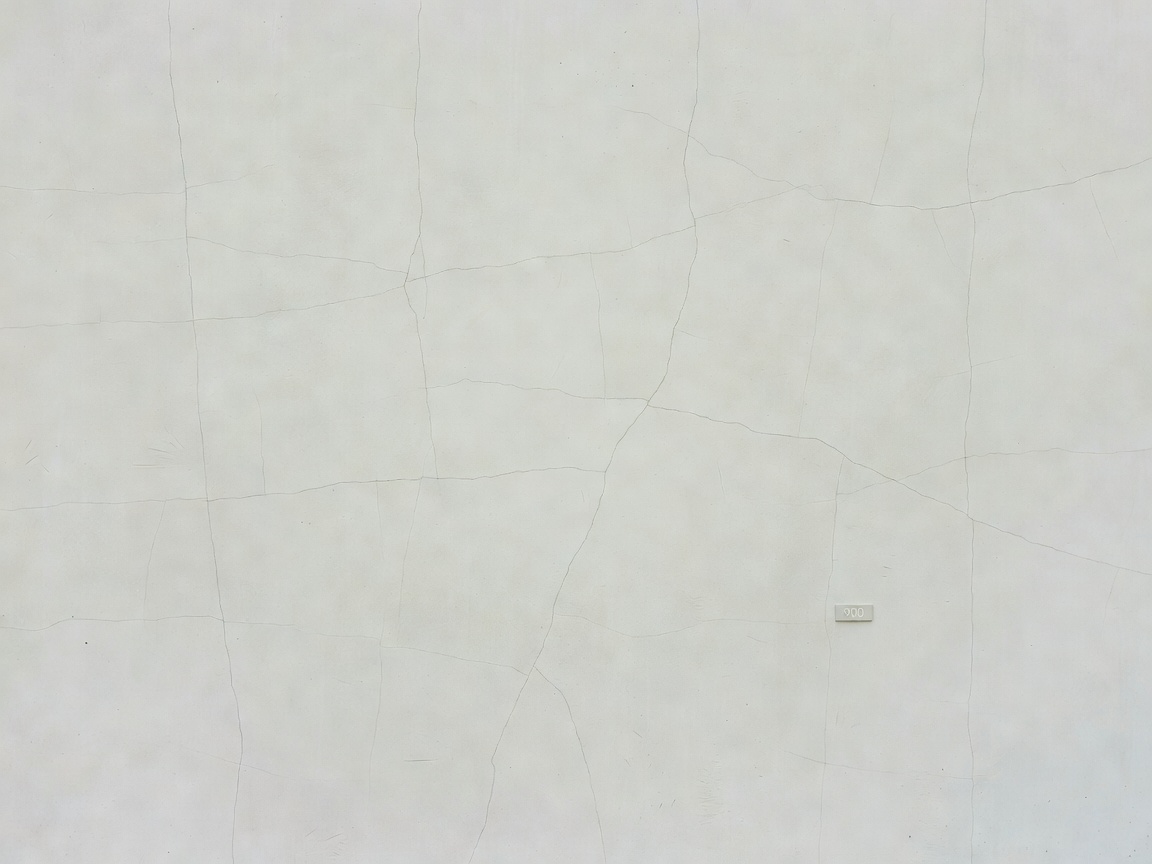
FIVE PRACTICAL STARTING POINTS
Use these guides to frame a conversation with a contractor, surveyor or engineer. They explain the questions worth asking without pretending that a photograph or generic product recommendation can settle a project-specific matter.
SPECIALIST GUIDE
Build a sensible brief around condition, access, exposure, surrounding finishes and the result you need.
Explore planning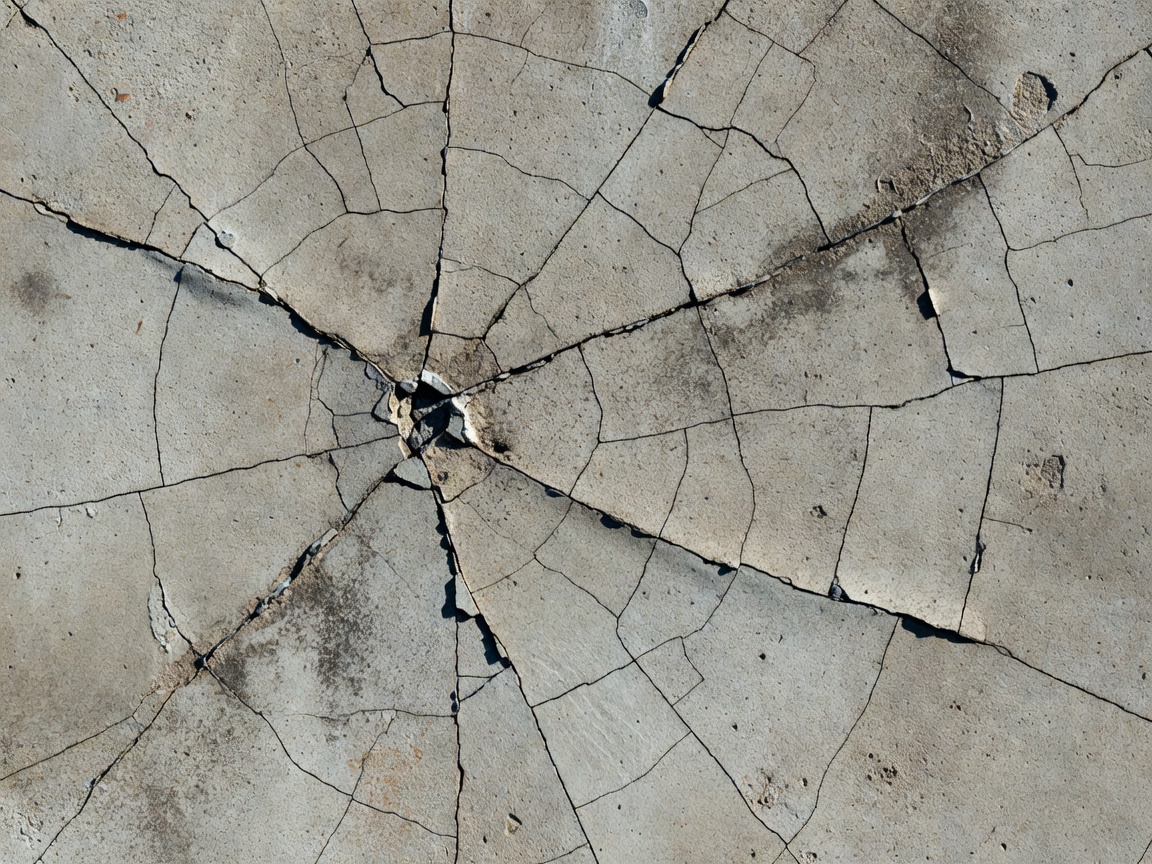
SPECIALIST GUIDE
Understand why crack pattern, movement, moisture and surrounding concrete matter before treatment is chosen.
Explore crack treatment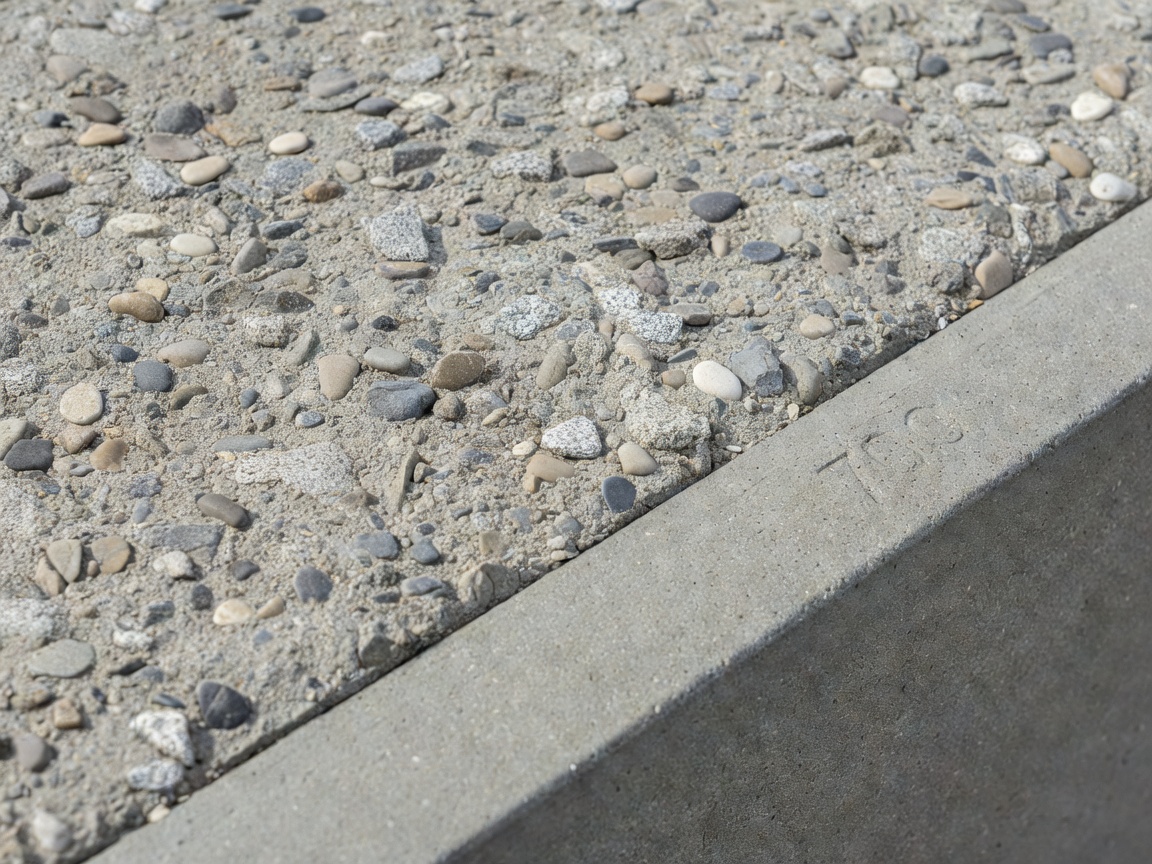
SPECIALIST GUIDE
Bring worn, stained or locally damaged concrete back into a coherent condition and appearance.
Explore restoration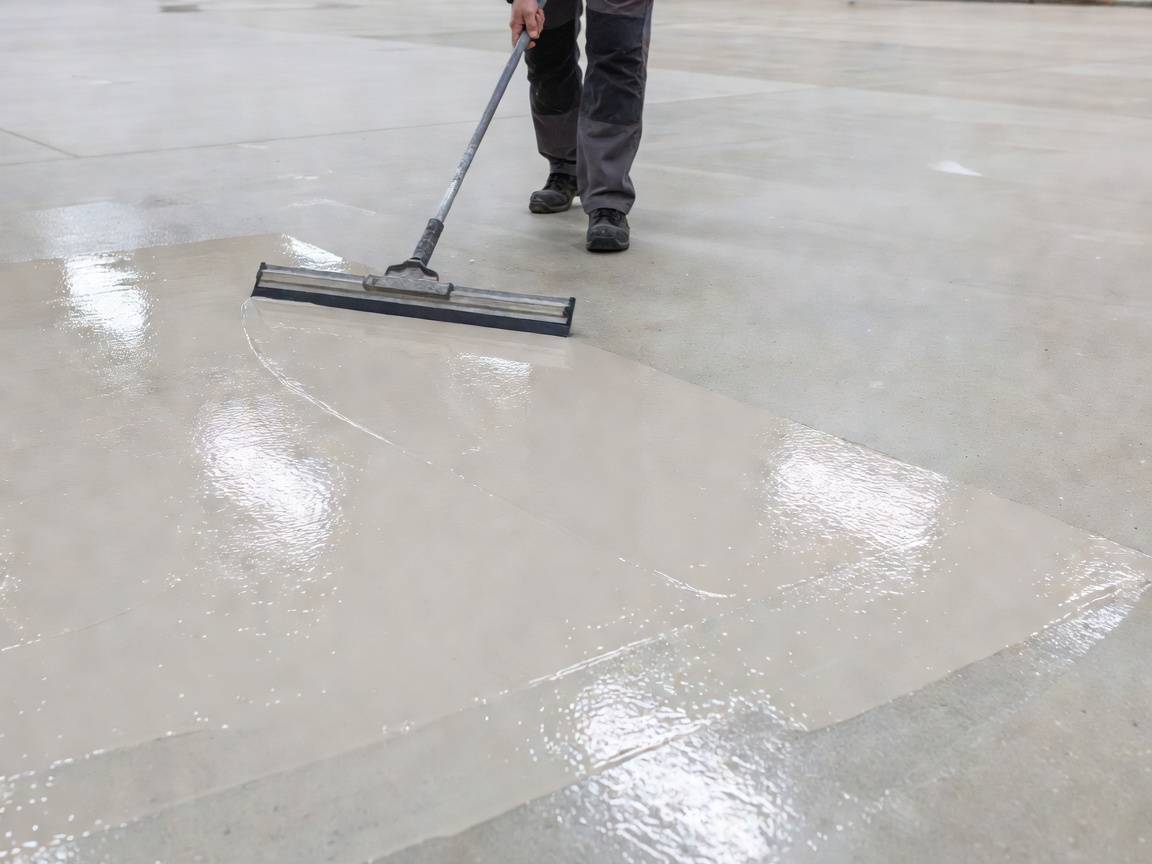
SPECIALIST GUIDE
Compare the decisions behind surface protection: exposure, compatibility, preparation, appearance and upkeep.
Explore coatings
SPECIALIST GUIDE
Separate routine observation from professional assessment and keep useful condition records over time.
Explore maintenanceA USEFUL DISTINCTION
What you can see is important, but it is not always the whole story. A crack may relate to drying shrinkage, movement, restraint, moisture or another condition. Staining may be cosmetic, or it may point toward water paths and corrosion risk. Spalling—the loss of a piece of the surface—can be local, while delamination means a layer has separated below the visible face.
None of these observations automatically proves structural failure. They do show why assessment matters. The repair objective might be appearance, water management, durability, safe use or a combination of these. The right approach depends on the concrete, its environment and the consequences of getting the diagnosis wrong.
A CALM WAY TO FRAME THE WORK
Record location, pattern, extent, moisture signs and changes over time without jumping to a cause.
Bring together condition, exposure, access, use and reinforcement considerations as the project requires.
Select a method and scope that suit the defect and the desired outcome, with qualified input where needed.
Address water, exposure, maintenance and future observation so the repair has a sensible context.